Monkey: A Font with Elegant Character for Your Projects
Finding a typeface that balances unique flair with professional polish can feel like searching for a needle in a haystack. Many premium fonts lean heavily into one extreme—either too quirky to be legible or too sterile to have any personality. The Monkey font, however, lands in a sweet spot. It’s a script font and handwritten font hybrid that brings a warm, human touch to your designs without sacrificing the clarity needed for professional work. Its carefully crafted letterforms, shaped with a professional hand, make it a versatile design asset for anyone looking to add a touch of elegance and authenticity.
Understanding the Visual Personality of Monkey
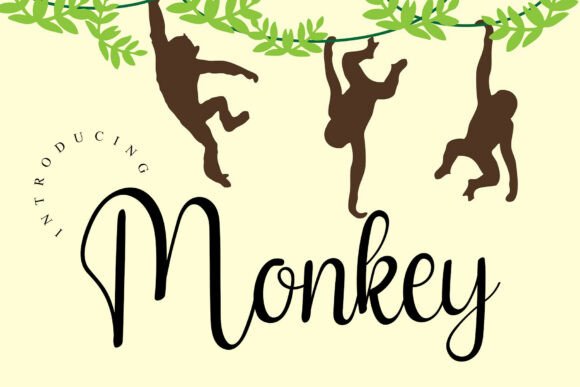
At its core, Monkey is a creative font defined by its fluid, connected strokes and a subtle, natural baseline. It’s not a rigid, formal calligraphy; instead, it mimics the relaxed confidence of a skilled hand signing a document or jotting a heartfelt note. The typeface features smooth curves, moderate contrast between thick and thin strokes, and a rhythm that guides the eye gently across the word. This isn't a display font that screams for attention with extreme flourishes. Its appeal is quieter, more assured. Think of it as the font equivalent of a perfectly tailored blazer—it’s professional, but it has character. This makes it an excellent choice for projects where you want to convey warmth, craftsmanship, and approachability. The font includes all necessary glyphs, ensuring seamless access to every character you need without extra software or plugins.
Where Monkey Truly Shines: Practical Applications
The strength of Monkey lies in its adaptability. Its style walks the line between decorative and functional, making it suitable for a surprising range of contexts. For brand identity work, particularly for lifestyle brands, artisanal products, boutique studios, or cafes, it can form the backbone of a logo that feels personal and inviting. In packaging design, it can highlight product names or special features on labels, gift boxes, or cosmetics, adding a tactile, handmade quality that sans serif fonts often lack.
In the realm of publishing and editorial design, Monkey is perfect for chapter titles, pull quotes, or subheadings in magazines, cookbooks, or lifestyle blogs. It creates a strong visual hierarchy when paired with a clean serif font or a neutral sans serif font for body text. For digital creators, it’s a standout choice for social media graphics, Instagram story templates, and Pinterest pins where a personal, curated aesthetic is key. It can elevate a simple quote graphic or make a promotional sale feel more exclusive and crafted.
Of course, its original intent shines through in personal and event projects. Monkey is exceptionally well-suited for wedding invitation suites, birthday cards, graduation announcements, and party flyers. Its elegant flow adds a celebratory, intimate feel that generic system fonts simply cannot achieve. For entrepreneurs and small business owners, it’s a tool to create cohesive marketing materials—from thank you cards and loyalty stamps to website headers and email newsletter graphics—that consistently reinforce a brand’s unique voice.
Making the Most of Monkey in Your Workflow
Choosing a font is just the first step. Using it effectively requires some strategic thinking. First, always evaluate fit. Monkey excels in headings, logos, and short bursts of text. For long paragraphs, its connected nature can reduce readability, so pair it wisely. A great font pairing might involve using Monkey for a main headline, supported by a highly legible sans serif font like Montserrat or Lato for body copy. This contrast creates a dynamic and professional visual hierarchy.
Take advantage of the included styles. If the font family offers multiple weights or alternate characters, test them. A bolder weight might be perfect for a website hero section, while a lighter version could work for elegant invitation details. Always test readability at the intended size. What looks beautiful on a large computer screen might become a cramped line on a mobile device or a printed business card. Print a sample or view it on multiple screens.
From a practical standpoint, understand the licensing. Monkey is a commercial font, meaning you need the correct license for your project. If you’re a designer creating a logo for a client, you’ll likely need a license that permits the final, embedded logo file to be distributed. If you’re using it for your own web design, ensure your license covers web font formats (like WOFF, WOFF2). This step is crucial for avoiding legal issues down the line and is a mark of a professional workflow.
Ultimately, fonts like Monkey are more than just letters on a page. They are silent ambassadors for your message. By choosing a typeface with such a distinct yet accessible personality, you’re making a deliberate choice to connect with your audience on a human level. It’s a tool that, when applied thoughtfully, can transform a mundane project into something memorable, helping your work—and your brand—stand out with elegance and clarity.