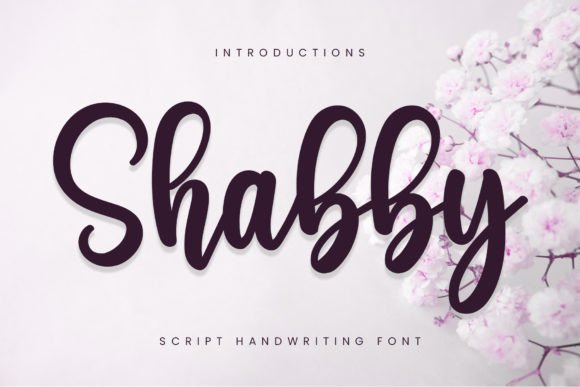
Shabby: A Sweet and Cursive Handwritten Font for Joyful Design
Finding the right typeface for a project often feels like searching for a specific voice. You need something that speaks with the right tone—friendly, elegant, casual, or professional. The Shabby font offers a unique voice in the world of modern typography. It is a sweet and cursive handwritten font with a distinct personality. This premium font brings a gentle, joyful energy to any design it touches. Its flowing letterforms and consistent rhythm make it more than just a script font; it is a versatile design asset for creators who value warmth and authenticity.
At its core, Shabby is a display font designed for impact at larger sizes. Its visual characteristics are defined by smooth, connecting strokes that mimic natural handwriting. The letters have a slight bounce and varied baseline, which avoids the rigid feel of digital text. This creates an organic, human quality. The overall style is romantic and approachable, making it a perfect creative font for projects that aim to feel personal and inviting. Unlike stark serif fonts or clean sans serif fonts, Shabby adds a layer of emotional texture. It doesn't just convey words; it conveys a feeling of carefree elegance.
Where Shabby Truly Shines: Practical Applications
The real value of a typeface like Shabby is measured in its application. Its sweet, cursive nature makes it exceptionally well-suited for specific contexts where personality is key. In branding and logo design, it can craft an identity for businesses that want to appear friendly, boutique, and artisanal. Think of a local bakery, a handmade jewelry line, or a cozy café. The font’s joyful touch helps build a brand identity that feels genuine and customer-centric.
Beyond logos, Shabby excels in wedding things and event stationery. Its romantic flair is ideal for invitations, save-the-dates, and thank-you cards. It sets a tone of celebration and intimacy from the first glance. Similarly, in greeting card design, the font adds a heartfelt, personal message that printed text often lacks. For editorial design, it can be used sparingly for pull quotes, chapter titles, or magazine features related to lifestyle, fashion, or home décor, adding a touch of casual sophistication.
Digital applications are equally strong. Social media graphics benefit from its readability and charm, helping posts stand out in a crowded feed. It works well for Instagram stories, quote images, and promotional banners. In web design, it can be used for hero section headers, special announcement banners, or product titles on e-commerce sites, particularly in the fashion or lookbook spaces. For packaging design, Shabby can highlight product names or key features on labels, making items on a shelf feel more bespoke and appealing.
Making Smart Design Choices with a Handwritten Font
Using a handwritten font like Shabby effectively requires thoughtful implementation. Its primary strength is in headlines and short, impactful text. Avoid using it for long paragraphs of body copy, where its cursive style can reduce readability. Pairing it with a simple, neutral sans serif font or a classic serif font for supporting text creates a balanced visual hierarchy. This contrast ensures your message is both beautiful and clear.
Before committing, always test the font in context. Check how it renders at different sizes on various screens for digital projects. For print, examine the letter spacing (tracking) and line height (leading) to ensure the connecting strokes remain legible. A good commercial font like Shabby should include a full character set, including numbers, punctuation, and often stylistic alternates or ligatures. Reviewing these included styles can give you more creative flexibility.
Licensing is a critical consideration for any professional project. Ensure the font license covers your intended use, whether it's for a client's logo, product packaging, or a digital advertising campaign. Most premium fonts come with clear licensing terms for commercial use. Investing in a properly licensed typeface protects your work and supports the creators who design these valuable design assets.
Ultimately, choosing a font like Shabby is a strategic decision. It influences how your audience perceives your message. The right typeface enhances brand perception, builds recognition, and fosters audience engagement. Shabby offers a specific, joyful aesthetic that, when used appropriately, can elevate a project from ordinary to memorable. It proves that sometimes, the most effective design choices are the ones that feel the most human.